Whether exchanging tales around the camp fire or getting cozy indoors on a winter night, wood-burning fires are the ultimate ambiance setter. But using the wrong wood will choke up the scene quickly, and perhaps cause long-term damage to your home, health and nature. Consider hardwood vs. softwood, seasoning time and potential toxins.
Not to worry. We're not talking about splitting the atom here. Just avoid these kinds of firewood, and you'll be the combustion superstar of chilly evenings.
Driftwood
Ocean driftwood has a high salt content, and chlorine is a chemical compound of salt. So when you burn driftwood, it releases high doses of dioxins. If you're breathing it in, it's carcinogenic, and that's not a good thing. It's also not a good a thing to use under your steak. All wood has some dioxins, but driftwood is particularly high."
Green Wood
Like a greenhorn, green wood is fresh on the scene. It's just been cut and it's full of moisture. That makes it embarrassingly difficult to light. And if you are lucky enough to get it lit, it will smoke like crazy.
The solution? Always use wood that has been properly seasoned or kiln dried.
Pine Wood
Pine, a softwood, is resinous. That means when burned, it emits a lot of soot that adds dangerous creosote to your camp site. It also burns more quickly than hardwood, so it's less efficient. We don't recommend cooking meat over it because it's really sappy.
Construction and Furniture Wood
A bonfire with leftover construction materials and broken chairs might sound like heaven, but it'll be one toxic party.
Most construction wood is treated with chemicals to prevent decay and retard fire. And up until the early 2000s, a lot of pressure-treated wood contained arsenic. Furniture is often made from plywood or chipboard and strong adhesives. Painted wood is definitely not good as firewood. Many wood pallets are also treated with chemicals and shouldn't be burned in recreational fires.
Non-Local Wood
Firewood from afar is a major transmitter of invasive insects and diseases. Just one log can jeopardize a forest or a species, like what has happened with the emerald ash borer, gold-spotted oak borer, gypsy moth and sudden oak death.
Solution: Buy wood cut close to your home. Use this map for more details on firewood transmitters in your area.
Poisonous Wood
Burning poison oak, poison ivy, poison sumac, Brazilian peppertree and poisonwood creates smoke with irritant oils that can cause severe breathing problems and eye irritation. If it's got the word poison in it, you shouldn't be burning it, or eating it or anything else. Oleander is another bad one, that can hospitalize you if you breathe it or use it for hot dog sticks.
Endangered Wood
Use this U.S. Department of Agriculture chart to make sure the firewood you're buying or harvesting is not an endangered or threatened species.
Habitat Wood
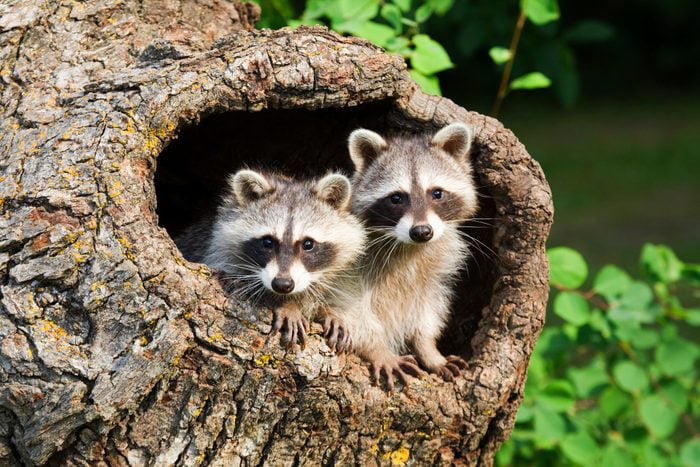
When collecting wood in the outdoors, check if animals are using it. Birds and other animals may be nesting in dead trees and downed logs. You know there's an environmental ethic, some of that wood is useful for critters to live in. Sometimes dead trees attract more wildlife than living trees.
Rotten and Moldy Wood
Rotten wood is less dense and won't produce as much heat as dried wood. Moldy wood can create toxic fumes when burned. Both tend to have higher water contents so they produce a lot of smoke.
Solution: Leave it for the bugs and fungi.
Products Containing Wood Pulp
Burning newspaper, cardboard, wrapping paper and magazines can float long-lasting embers into the air where they can easily start widlfires. One exception: You can use a small bits of tightly twisted newspaper or cardboard to start a fire.
Not Wood
Styrofoam, plastic, empty food containers and boxes, cigarette butts and all that other trash contain toxins. Many of those poisons are harmful to breathe and can travel far in the wind.
Solution: Don't burn them.